512.494.9949

Larry F., Former Client
"I'm not sure where I would be today if it weren't for Justin and the law firm he is with... You become a part of the family the day you become a client and there is nothing more satisfying... If you want the best, the most terrific, then this is the man you want as your attorney."


Ben C., Former Client
"They're good people, plain and simple. I had the opportunity to work with Justin Demerath on a few issues. One where he had nothing to gain financially and the other, he did. There was no difference in his demeanor, the way he treated me or his intent. He just wanted to help in any way he could."
Herbert F., Former Client
"I want to thank you Justin for a job well done. My case was certainly a difficult one as attested to by the number of rejections I had before your name was given to me... You were up front about my chances for a win, never denying the road blocks that certainly would arise. I was impressed by the professional manner in which you handled my case."
Melanie S., Former Client
"The service I received from Justin Demerath has been unparalleled in every aspect. He is very professional, concise, and empathic towards his clients. My settlement exceeded my expectations on my collarbone injury case, in result of his strong desire for success."
Teresa P., Former Client
"WOW! I haven't seen this kind of customer service in years. Justin visited with me on the phone until all my questions were answered. He was extremely helpful, gracious, pleasant, willing, professional and very nice."
"In the midst of dealing with insurance, body shop, doctors and staff all of whom were 'just doing their job'... Justin was a ray of sunshine on a very gloomy day in my life. He made me feel very comfortable and encouraged me to continue with my questions... Thank you Justin...God bless you."
Jon S., Former Client
"Fantastic Representation. Justin Demerath represented me in a motorcycle accident where I was injured severely. The outcome was a best case scenario based on the realities of the at-fault driver. I received the largest settlement that was available and it turned out well. That was the bottom line, but what I wanted to comment on was Justin's willingness to explain each step of the process and his personal interest in my case. He came to visit me at my house while I was still unable to walk and his competence and ability to put things in simple terms allowed me to feel comfortable to take the details of my case off my plate and put it in his hands."
Nancy C., Former Client
"I am just so impressed in your scientific and legal knowledge. Your commitment and enthusiasm goes beyond compare. Should I ever need your services again or if someone I know needs your expertise, I will not hesitate to give you and call or make a referral."
Jay B., Former Client
"My experience with the insurance companies over the 15 months following the accident was frustrating... I admit I was also reluctant to find a personal injury lawyer, based on the stereotype of personal injury lawyers that I had ... I no longer carry that stereotype with me, I've since learned better."
Cindy R., Former Client
"Great Representation. I was involved in an auto accident two years ago and, after unsatisfactory dealings with the insurance company of the other driver, I hired Justin Demerath to represent me in my claim for medical bills coverage.... Mr. Demerath is a true professional whose compassion for his clients and for the law is first rate."
Motorcycle Accident / Product Liability
| Gross Recovery: | $2,275,000.00 |
|---|---|
| Client Net: | $1,285,861 |
| Attorney Fees: | $910,000 |
| Expenses: | $79,138.18 |
| Medical Bills: | In excess of $170,438.09 |
Past case values are not an accurate predictor of future results, nor the value of any potential client's particular situation. These case results are based upon unique and specific factual and legal circumstances. Each case is different. The same or similar results may not be able to be obtained for other clients in similar matters.
Product Liability
| Gross Recovery: | $2,025,000.00 |
|---|---|
| Client Net: | $810,153.07 |
| Attorney Fees: | $810,000.00 |
| Expenses: | $58,831.93 |
| Medical Bills: | In excess of $640,000.00 |
Past case values are not an accurate predictor of future results, nor the value of any potential client's particular situation. These case results are based upon unique and specific factual and legal circumstances. Each case is different. The same or similar results may not be able to be obtained for other clients in similar matters.
Auto Accident
| Gross Recovery: | $1,850,000.00 |
|---|---|
| Client Gross: | $1,025,107.50 |
| Client Net: | $690,651.27 |
| Attorney Fees: | $671,000.00 |
| Expenses: | $152,430.75 |
| Medical Bills: | In excess of $339,982.00 |
Past case values are not an accurate predictor of future results, nor the value of any potential client's particular situation. These case results are based upon unique and specific factual and legal circumstances. Each case is different. The same or similar results may not be able to be obtained for other clients in similar matters.
Auto Accident
| Gross Recovery: | $1,250,000.00 |
|---|---|
| Client Net: | $671,000 |
| Attorney Fees: | $500,000 |
| Expenses: | $17,000 |
| Medical Bills: | $62,000 |
Past case values are not an accurate predictor of future results, nor the value of any potential client's particular situation. These case results are based upon unique and specific factual and legal circumstances. Each case is different. The same or similar results may not be able to be obtained for other clients in similar matters.
Apartment Fire - Negligent Design of an Apartment Complex
| Gross Recovery: | $950,000.00 |
|---|---|
| Client Net: | $288,300.20 |
| Attorney Fees: | $378,300.20 |
| Expenses: | $251,730.48 |
| Medical Bills: | In excess of $532,393.34 |
Past case values are not an accurate predictor of future results, nor the value of any potential client's particular situation. These case results are based upon unique and specific factual and legal circumstances. Each case is different. The same or similar results may not be able to be obtained for other clients in similar matters.
Negligence - 18-Wheeler Accident
| Gross Recovery: | $900,051.64 |
|---|---|
| Client Net: | $540,305.24 |
| Attorney Fees: | $279,000.00 |
| Expenses: | $65,619.78 |
Past case values are not an accurate predictor of future results, nor the value of any potential client's particular situation. These case results are based upon unique and specific factual and legal circumstances. Each case is different. The same or similar results may not be able to be obtained for other clients in similar matters.
Product Liability / Defective Machinery
| Gross Recovery: | $785,000.00 |
|---|---|
| Client Net: | $494,488 |
| Attorney Fees: | $250,537 |
| Expenses: | $39,975.45 |
| Medical Bills: | In excess of $67,431.47 |
Past case values are not an accurate predictor of future results, nor the value of any potential client's particular situation. These case results are based upon unique and specific factual and legal circumstances. Each case is different. The same or similar results may not be able to be obtained for other clients in similar matters.
Auto Accident
| Gross Recovery: | $600,000.00 |
|---|---|
| Client Net: | $330,643.88 |
| Attorney Fees: | $240,000.00 |
| Expenses: | $4,501.59 |
| Medical Bills: | In excess of $101,045.83 |
Past case values are not an accurate predictor of future results, nor the value of any potential client's particular situation. These case results are based upon unique and specific factual and legal circumstances. Each case is different. The same or similar results may not be able to be obtained for other clients in similar matters.
Bus Accident
| Gross Recovery: | $410,000.00 |
|---|---|
| Client Net: | $240,693.11 |
| Attorney Fees: | $164,000.00 |
| Expenses: | $5,309.89 |
| Medical Bills: | In excess of $97,892.23 |
Past case values are not an accurate predictor of future results, nor the value of any potential client's particular situation. These case results are based upon unique and specific factual and legal circumstances. Each case is different. The same or similar results may not be able to be obtained for other clients in similar matters.
Auto Accident
| Gross Recovery: | $152,500.00 |
|---|---|
| Client Net: | $84,609.24 |
| Attorney Fees: | $50,325.00 |
| Expenses: | $892.93 |
| Medical Bills: | In excess of $67,119.28 |
Past case values are not an accurate predictor of future results, nor the value of any potential client's particular situation. These case results are based upon unique and specific factual and legal circumstances. Each case is different. The same or similar results may not be able to be obtained for other clients in similar matters.
Product Liability / Defective Design
| Gross Recovery: | $150,000.00 |
|---|---|
| Client Net: | $94,151.42 |
| Attorney Fees: | $49,500.00 |
| Expenses: | $6,348.58 |
| Medical Bills: | In excess of $47,704.60 |
Past case values are not an accurate predictor of future results, nor the value of any potential client's particular situation. These case results are based upon unique and specific factual and legal circumstances. Each case is different. The same or similar results may not be able to be obtained for other clients in similar matters.
Auto Accident - Intoxicated Driver
| Gross Recovery: | $25,000.00 |
|---|---|
| Client Net: | $16,072.18 |
| Attorney Fees: | $8,332.50 |
| Expenses: | $595.32 |
| Medical Bills: | In excess of $17,892.00 |
Past case values are not an accurate predictor of future results, nor the value of any potential client's particular situation. These case results are based upon unique and specific factual and legal circumstances. Each case is different. The same or similar results may not be able to be obtained for other clients in similar matters.
Auto Accident
| Gross Recovery: | $20,000.00 |
|---|---|
| Client Net: | $12,954.73 |
| Attorney Fees: | $6,660.00 |
| Expenses: | $385.27 |
| Medical Bills: | $31,018.92 |
Past case values are not an accurate predictor of future results, nor the value of any potential client's particular situation. These case results are based upon unique and specific factual and legal circumstances. Each case is different. The same or similar results may not be able to be obtained for other clients in similar matters.
Skillful and Aggressive Legal Representation
When you or a loved one has endured personal injury or wrongful death, you have the right to seek justice and compensation. O'Hanlon, McCollom & Demerath is committed to providing each and every one of our clients with compassionate advocacy and skillful, tireless, aggressive representation. Our number one priority is providing each client with the most desirable legal outcome to every issue they are facing.
We Value and Respect Every Client
We believe that every client deserves and should receive one-on-one access and attention. Legal issues can be daunting without the protection of knowledgeable and experienced lawyers. O'Hanlon, McCollom & Demerath is dedicated to resolving your unique situation with compassion and diligence.
Superior Client Services
At O'Hanlon, McCollom & Demerath we ensure seamlessly integrated work product and representation through our utilization of state of the art technology and resources. We are committed to providing our clients superior legal representation at every turn.
Commitment to Getting you the Compensation you Deserve
In our efforts to obtain compensation for our clients who have suffered injuries and the related indignities arising from the negligent actions of individuals and corporations, we pledge to provide you with a personalized, "no stone unturned" pursuit in achieving the most favorable outcome on your behalf in what are, undoubtedly, the most important and often life-changing situations you may ever experience.
Our clients never owe any fees unless we obtain financial settlement on their behalf. We will go the distance for you.
Contact Our Personal Injury Attorneys Today
O'Hanlon, McCollom & Demerath offers you a free one-on-one evaluation of your personal injury case. Our clients never pay for our legal services unless we obtain a successful recovery of compensation for you. Contact us today for a free and confidential consultation with our experienced personal injury lawyers.
Kevin O'Hanlon
Kevin O'Hanlon, the founding partner of O'Hanlon, McCollom & Demerath began practicing law in 1974 and has vast knowledge of all areas of litigation. Mr. O'Hanlon became Board Certified in Civil Appellate Law by the Texas Board of Legal Specialization in 1987, and in Civil Trial Law in 1990.

Justin Demerath
Justin Demerath joined the firm as a law clerk during his final year of law school and has been with the firm since that day. He has dedicated his law practice to helping people who have suffered damages at the hands of others in the state of Texas recover monetary compensation. Mr. Demerath has one mission in his work: to fight for the rights of the clients he represents.
Benjamin Castillo
 In 2010, Mr. Castillo graduated from The University of Texas at Austin with a Bachelor of Arts in Government. Upon graduation, Mr. Castillo worked as a government and history teacher in the Rio Grande Valley.
Nick Maddox
 Nick Maddox is an associate attorney who represents clients in a diverse range of litigation issues. Licensed to practice in both State court and Federal court, Mr. Maddox handles injury, employment, business, and contract disputes.
Amalia Hanley
Ms. Hanley graduated with honors from the University of Notre Dame with Bachelors of Arts degrees in History and Art History. In 1998, Ms. Hanley graduated with honors from the University of Florida School of Law. During school, and continuing after graduation, Ms. Hanley clerked for the Public Defender's Office in Gainesville, Florida, gaining criminal litigation experience in the Misdemeanor Division.
Alice Ward
Alice Ward was born in Ithaca, NY and raised in Jersey City, NJ. The older of two daughters, she graduated from Friends Seminary, a Quaker high school, in 1996. Ms. Ward attended the University of Texas in Austin, attaining a BA in History in 2000. She also became a certified paralegal through Austin Community College.
Adelie Alvarez
Adelie Alvarez grew up in Buda Texas and graduated from Hays High School. She has extensive experience in many areas of law. Since 2006, Adelie has worked for various local Austin attorneys.
Serious Personal Injury
 Every year, hundreds of Texans suffer serious injury because of the reckless actions of another. If you were hurt in a car accident or pedestrian accident, or a loved one was injured using a defective product, the personal injury attorneys at O'Hanlon, McCollom & Demerath are here to help.
Wrongful Death
 It is unfortunate, but it is usually up to the victim's family to pursue a wrongful death claim after the accidental death of a loved one. At a time when you feel most vulnerable and emotionally exhausted, a lawsuit is the last thing on your mind. But it's important to give it some consideration. An experienced, dedicated Austin injury attorney can help.
Car Accidents
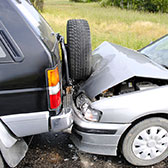 Car accidents carry serious physical and financial consequences. Injuries can leave you unable to work and prevent you from enjoying a normal life. To make matters worse, your insurance company may more committed to its bottom line than your recovery. At O'Hanlon, McCollom & Demerath in Austin, Texas, our main priority, is representing people who have been injured in car accidents and make them whole again.
Motorcycle Accidents
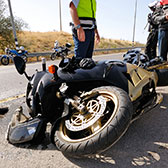 With the freedom and excitement motorcycle riders enjoy comes the risk of serious injury in an accident. Despite the consistent warnings drivers receive to “start seeing motorcycles,� thousands of people across Texas are injured in motorcycle accidents. If you have been involved in an accident, you can benefit from immediate representation from an experienced motorcycle accident lawyer .
Truck Accidents
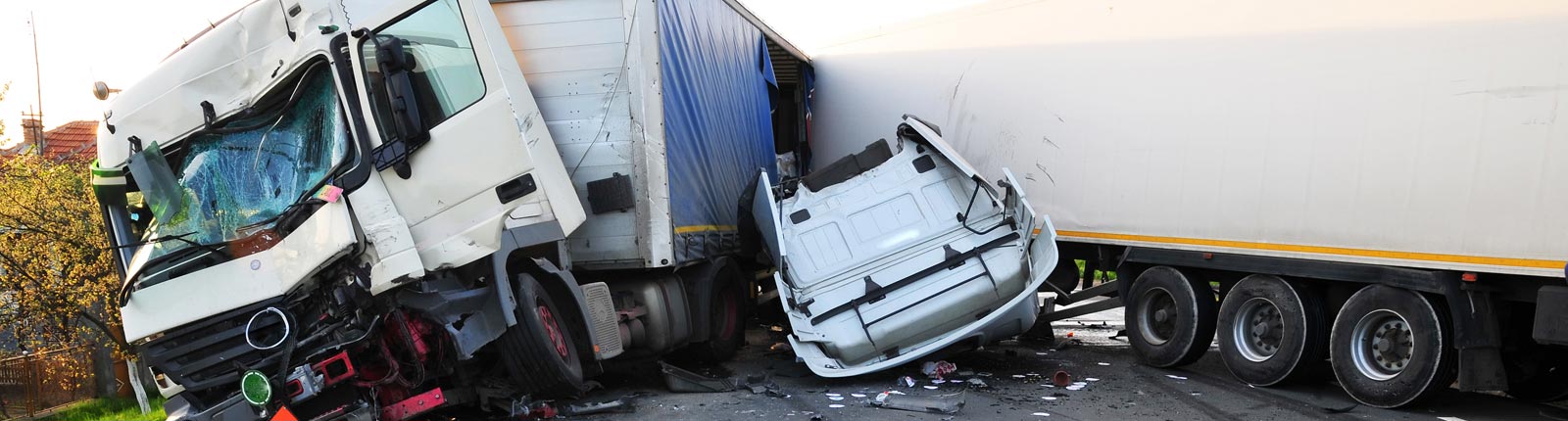
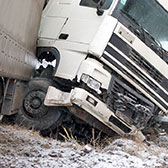 Collisions between commercial trucks and cars or passenger trucks almost always result in life-changing injuries or tragic deaths. Because of the seriousness of these accidents, it's important to work with an experienced Austin personal injury attorney who will protect your rights.
Product Liability
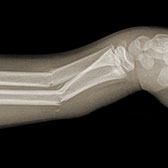 Whether you buy something from a big-box retailer, midsize market, outlet store, mall, or small grocer, you expect the product to be safe. However, sometimes you may buy a product that injures you, and product liability and defective product law dictates who is responsible for this breach of the implied warranty of fitness for the product’s intended uses. The place from where you purchased the product, the company that made the product, or even the company that advertised the product may be legally held responsible for your injury.
Defective Drugs
 The defective drug product liability attorneys at O'Hanlon, McCollom & Demerath law firm understand that your injuries and complications may be the result of a defective drug. We are here to help you get the compensation you deserve for your injuries.
Defective Medical Devices
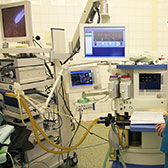 The defective medical device liability attorneys at O'Hanlon, McCollom & Demerath law firm understand that your injuries and complications may be the result of a defective medical device. We are here to help you get the compensation you deserve for your injuries.
Business Litigation
 Disputes are an unfortunate, and often expensive, part of doing business. At O'Hanlon, McCollom & Demerath in Austin, Texas, our business litigation attorneys are experienced professionals who can protect your interests if you are embroiled in a legal dispute.
Fatal Auto Accidents
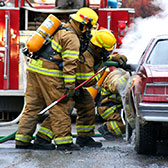 Car accidents are the leading cause of accidental death, bringing pain and grief to hundreds of Texas families every year. If a loved one has died in a fatal car accident, an SUV rollover, a collision with a commercial truck, or a motorcycle crash, you will be facing financial challenges, and we are here to solve your problems.
Defective Machinery / Equipment
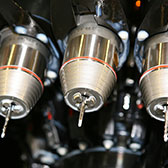 Heavy equipment and workplace machinery can be dangerous even when it’s used properly. But when that equipment is faulty, has defective parts, or has been improperly repaired or serviced, even careful users can suffer serious injury or death. The injury lawyers at O'Hanlon, McCollom & Demerath hold companies responsible for negligence in the manufacturing and maintenance of equipment and machinery that leads to injuries and deaths.
Pedestrian Accidents
 Bike riders and cycling enthusiasts bear an unfair burden when car and truck drivers do not drive carefully. With so little protection beyond a bike helmet and their quick reflexes, cyclists often suffer severe injuries when a car makes a sudden stop or a truck turns into their path. Sadly, many bicycle accident victims are children. If you have been seriously injured or a loved one has died in a bicycle collision with a motor vehicle or a cycling accident on a dangerous property, you may have a right to financial compensation.
How do I choose the right attorney for my case?
When you or a loved one has suffered an injury, hiring an attorney is one of the most important steps you will take toward seeking compensation from those who are responsible for your injuries. This can be a daunting and complicated process if you have never before hired an attorney and do not know how it all works.
What are my rights as a client?
If you ever have any questions about these rights, or about the way your case is being handled by your attorney, do not hesitate to express your concerns to your attorney. He or she should be readily available to represent your best interests and keep you informed about your case.
What should I do immediately after an accident?
Just after an accident or other event which seriously injures your or a loved one you may not know what to do or where to turn for help, especially when you have been injured by the negligence or wrongdoing of another person, or in many instances, the manufacturer of defective equipment or other products.
What is the Personal Injury Lawsuit Process?
After an accident in which you or a loved one are injured, and you have sought medical attention and have hired an attorney to handle your insurance claim, you may be on your way to becoming a plaintiff in a personal injury lawsuit if the insurance company has refused to make a reasonable offer of settlement on your injury claim.
Could ERISA reduce my claim recovery?
The Employee Retirement Income Security Act of 1974, known as "ERISA", is a federal law that may allow your insurance company, or your employer's health plan, to recover its costs on your claim, from a settlement or trial verdict award you may receive as a result of a personal injury lawsuit. This is known as "subrogation", and is considered to be a complex area of law. Potential subrogation interests should be discussed with your personal injury attorney after his/her review of any subrogation clauses in your insurance policy or your employer's health plan provisions.
What information will my attorney need from me?
When you or a loved one have been injured in any type of accident it is important to keep extensive documentation of the incident and your injuries. Your personal injury attorney will interact with insurance companies and defense attorneys on your behalf, and in order to make a proper claim for all the benefits you are entitled to, this documentation is necessary.
Some of our Victories
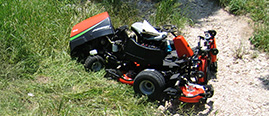
Product Liability Victory
Our firm represented a golf course grounds keeper who, due to a mechanical design defect in the industrial mower he was operating, was crushed under the machine when it fell into 15 foot ravine. The client suffered partial blindness, memory loss, and permanent brain damage.
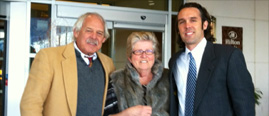
Widow Prevails in Wrongful Death Action
Justin Demerath, in joint representation with his father, Attorney Larry Demerath, represented the widow of a truck driver who was killed when his vehicle struck a large tire that had detached from another truck. Larry and Justin are pictured above with the client.
Successful Settlement
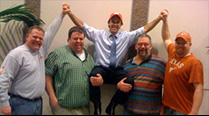
Our firm represented a family in a wrongful death action against a large trucking company when their father was struck and killed by an 18-Wheeler due to a defective brake pedal. The case settled prior to trial. The brothers are pictured above.

Have a case? Find out!
You'll be contacted within 24 hoursLive Chat(Online)

Click Here to chat with us right now about your case
Our Practice Areas
 Serious Personal Injury
 Wrongful Death
 Car Accidents
 Motorcycle Accidents
 Truck Accidents
 Product Liability
 Defective Drugs
 Defective Medical Devices
 Business Litigation
 Fatal Auto Accidents
 Defective Machinery / Equipment
 Pedestrian Accidents
 Automotive Product Liability
 Sexual Assault / Abuse
 Train,Plane,Bus,Cruise Accidents
 Boating and Jet Ski Accidents
 ATV Accidents
 Bicycle Accidents
 Catastrophic Injury
 Spinal Cord Injury

Railroad Crossing Accidents and Commercial Trucks
 In the United States, a train collides with a vehicle every 90 minutes. Truck drivers should take note of the following safety information:
- A train can take a mile or more to stop.
- Stop no closer than 15 feet (one car length) from the crossing.
- If you are in traffic, do not move forward if you cannot safely clear the crossing.
- Note the overhang – both for your truck and a train – of 3 feet or more.
- Make sure that trailer jacks are in the “up” position. (Non-retracted trailer jacks can cause trailers to become stuck on crossings).
- Cell phones are the top distraction for all drivers.
- If you get stuck at the crossing, get out of your truck, call local police or the 800 number posted at the crossing to alert trains of your position.
- Transporting chlorine;
- Driving any vehicle placarded for hazardous materials;
- Driving a cargo tank used for hazardous materials, whether loaded or empty;
- Transporting, in a cargo tank, a Class 3 elevated temperature material; or
- Transporting a hazardous material covered by a DOT exemption.